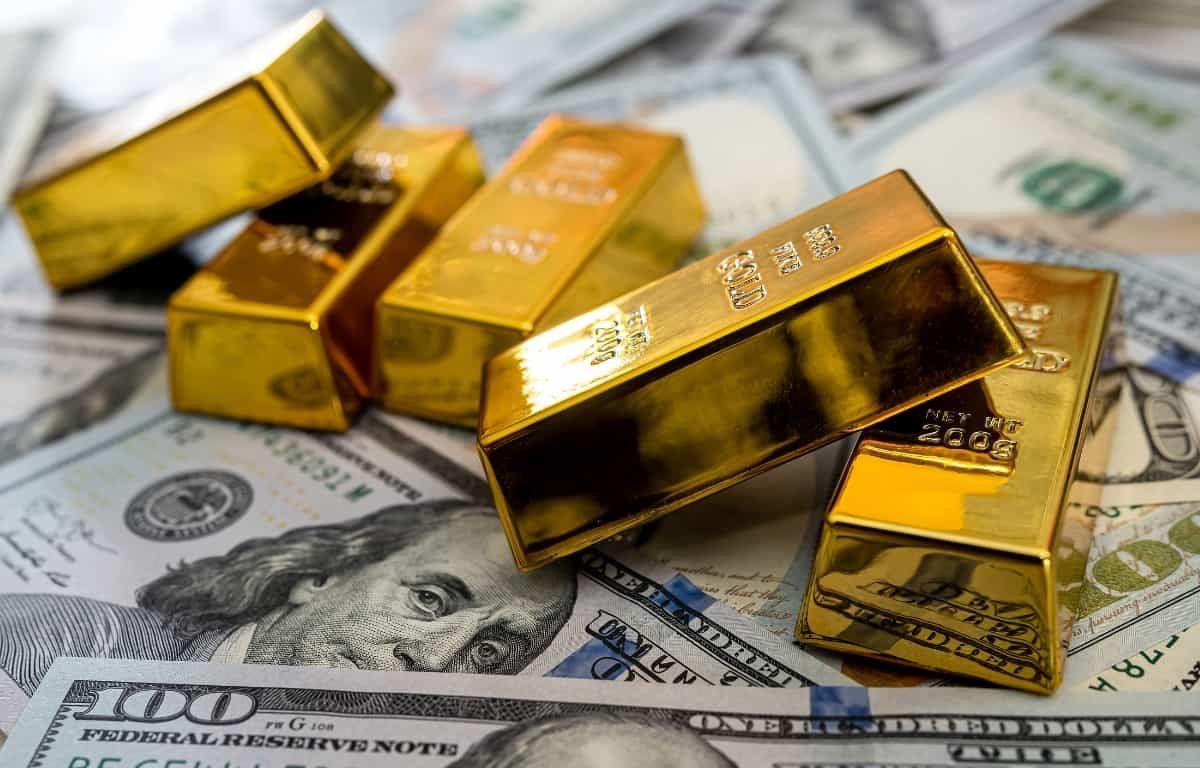
For a very long time, people have looked to precious metals as a store of value and a safe haven asset. Precious metals like gold, silver, platinum, palladium, and others are frequently used to diversify investment portfolios and protect against inflation.
In this article, we’ll go over the most popular kinds of precious metals, why you should invest in them, how to invest in them, the risks involved, and other important information. This guide will assist you in starting precious metals investment, whether you are an experienced investor or looking to put your money into something new and reduce your overall risk profile.
Types of Precious Metals
Gold, silver, platinum, and palladium are the four most commonly traded precious metals. Each of these metals has distinct properties and applications.
Gold is perhaps the most well-known precious metal and has been used as a currency and store of value for thousands of years. It’s often seen as a safe haven asset during times of economic uncertainty and a hedge against inflation. Gold is used in jewelry, electronics, and other industrial applications, and is traded on global commodity exchanges.
Silver is another popular precious metal that’s often used in jewelry, coins, and industrial applications. It’s also a good conductor of electricity and has antimicrobial properties. Like gold, silver is traded on global commodity exchanges.
Platinum is rarer than gold and silver and has a higher value per ounce. It’s used in jewelry, automotive catalytic converters, and other industrial applications. Platinum is also traded on global commodity exchanges.
Palladium is similar to platinum in its uses and applications but is even rarer and more expensive. It’s used in catalytic converters, electronics, and other industrial applications. Palladium is also traded on global commodity exchanges.
Other precious metals, such as rhodium, iridium, and ruthenium, are less commonly traded but can also be used for investment purposes.
Why Invest in Precious Metals?
There are several reasons why you should choose to invest in precious metals:
How to Invest in Precious Metals
There are several ways to invest in precious metals, each with its own pros and cons:
1. Physical Ownership
Purchasing physical gold or silver coins, bars, or jewelry is the traditional way to invest in precious metals. You can purchase them from dealers, banks, or online retailers. The most common types of physical precious metal investments include:
The possession of a physical asset gives you direct control over your investment and enables you to store it in a secure location of your choice. This might provide a feeling of security and tranquility, especially in uncertain economic times.
However, there are costs associated with storing and insuring physical precious metals as well as the potential for loss or theft. Plus, it’s crucial that any physical gold purchases are made from reputable dealers and stored in a secure location.
2. Precious Metals IRA
A precious metals IRA is a type of investment that allows you to hold physical precious metals, such as gold (gold IRA), silver, platinum, and palladium, within a tax-advantaged retirement account. This type of investment is commonly referred to as a self-directed IRA or a precious metals IRA. One good example of a precious metals IRA focusing on gold and silver is Augusta Precious Metals.
A precious metals IRA works similarly to a traditional IRA, but instead of holding stocks, bonds, and mutual funds, it holds physical precious metals. The IRS allows for certain types of precious metals to be held in an IRA, including bullion coins and bars that meet specific purity requirements.
One of the primary benefits of a precious metals IRA is the potential for tax advantages. Depending on the type of IRA, contributions may be tax-deductible, and gains on the investments may grow tax-free or tax-deferred until the funds are withdrawn.
However, you need to be aware that a precious metals IRA can come with additional costs and requirements, such as storage and insurance fees, as well as strict rules regarding the acquisition, storage, and sale of the precious metals within the account. It is important for you to thoroughly research and understand the rules and costs associated with a precious metals IRA before investing.
3. Exchange-Traded Funds (ETFs)
Exchange-traded funds (ETFs), which are securities that mirror the performance of a certain underlying asset or index, offer another option to invest in precious metals. Typically, precious metal ETFs hold physical gold, silver, platinum, or palladium or involve investments in businesses that mine and produce these metals.
Precious metal ETF investments can have a number of benefits over other types of investments, including the simplicity of trading, diversification, and cheaper fees. ETFs can be purchased and sold at any time of the day because they are traded on stock exchanges like stocks, allowing you to profit from changes in the price of precious metals.
When compared to investing in a particular commodity or business, ETFs give you the opportunity to obtain exposure to a diverse portfolio of precious metals. ETFs are a desirable investment option if you’re trying to reduce costs because they frequently offer lower fees than mutual funds or actively managed accounts.
One of the potential drawbacks of investing in precious metal ETFs is that they may not offer the same level of security as physical metals, as you don’t own the underlying asset directly. A precious metal ETF’s performance may also be impacted by elements other than the metal’s price, like management costs or stock market changes.
4. Mutual Funds
Mutual funds are investment funds that combine money from numerous investors and invest in a portfolio of assets, much like ETFs do.
Mutual funds that invest primarily in the mining, exploration, or manufacturing of precious metals like gold, silver, platinum, and palladium are known as precious metal mutual funds. Without needing to invest directly in physical metals, these mutual funds give you access to the precious metals market.
There are two main types of precious metal mutual funds: those that invest in physical metals and those that invest in mining companies. Often, funds that invest in physical metals track the price of the underlying metal and maintain a portfolio of bullion or coins. The goal of funds that invest in mining firms is to make money off the success of the companies in the precious metals sector.
Due to the fact that precious metals frequently shift independently of other assets like stocks and bonds, investing in precious metal mutual funds can help diversify an investor’s portfolio. However, as with all investments, there are risks involved with mutual funds, such as changes in the price of precious metals and the performance of the companies held in the mutual fund’s portfolio.
5. Stocks of Precious Metal Mining Companies
Stocks of mining businesses offer investors ownership in firms engaged in the discovery, development, and production of a range of metals, including gold and silver. These businesses might be anything from little exploration organizations to big global conglomerates with a variety of mining operations.
Investing in metal mining stocks can give you exposure to the metals market and, if the company does well, could result in large rewards.
Yet, because the performance of the stock is closely related to the performance of the firm, investing in individual stocks can also be risky.
Commodity prices, production costs, supply and demand dynamics, geopolitical developments, and regulatory changes are some of the factors that can affect how metal mining stocks perform.
Before investing in metal mining stocks, it’s crucial for you as an investor to carry out extensive research and analysis, which should include examining the financials of the company, the management team, the competitive landscape, and general industry trends.
You should also diversify your portfolio to lower risk and think about investing in a range of industries and asset classes, such as different kinds of stocks, bonds, and ETFs.
Risks and Considerations
As with any investment, there are risks and considerations to keep in mind when investing in precious metals:
How to Get Started
If you’re interested in investing in precious metals, here are some steps to get started:
FAQ
What is the best precious metal to invest in?
Precious metals like gold, silver, platinum, and palladium have been historically popular investment options due to their perceived intrinsic value, durability, and relative scarcity. However, the best precious metal to invest in depends on various factors, including an individual’s investment goals, risk tolerance, and market conditions.
For instance, gold is often considered a safe-haven asset and is frequently used to hedge against inflation or economic uncertainty. Silver is sometimes seen as a more speculative investment, with greater price volatility but also potentially higher returns. Platinum and palladium are typically used in industrial applications and may be influenced by factors such as supply and demand in their respective industries.
Conclusion
Investing in precious metals can be a way to diversify your portfolio and protect against inflation and economic uncertainty. There are several methods of investing in precious metals, each with its own risks and considerations.
Understanding the different types of precious metals, why to invest in them, and the various investment methods available enables you to make informed decisions and build a diversified portfolio that aligns with your investment goals and risk tolerance.
Also, remember to seek advice from a professional financial advisor to better put your money to work according to your personal and financial goals.